No. 019Art & Creativity
Did We Make the Most of Afrobeats?
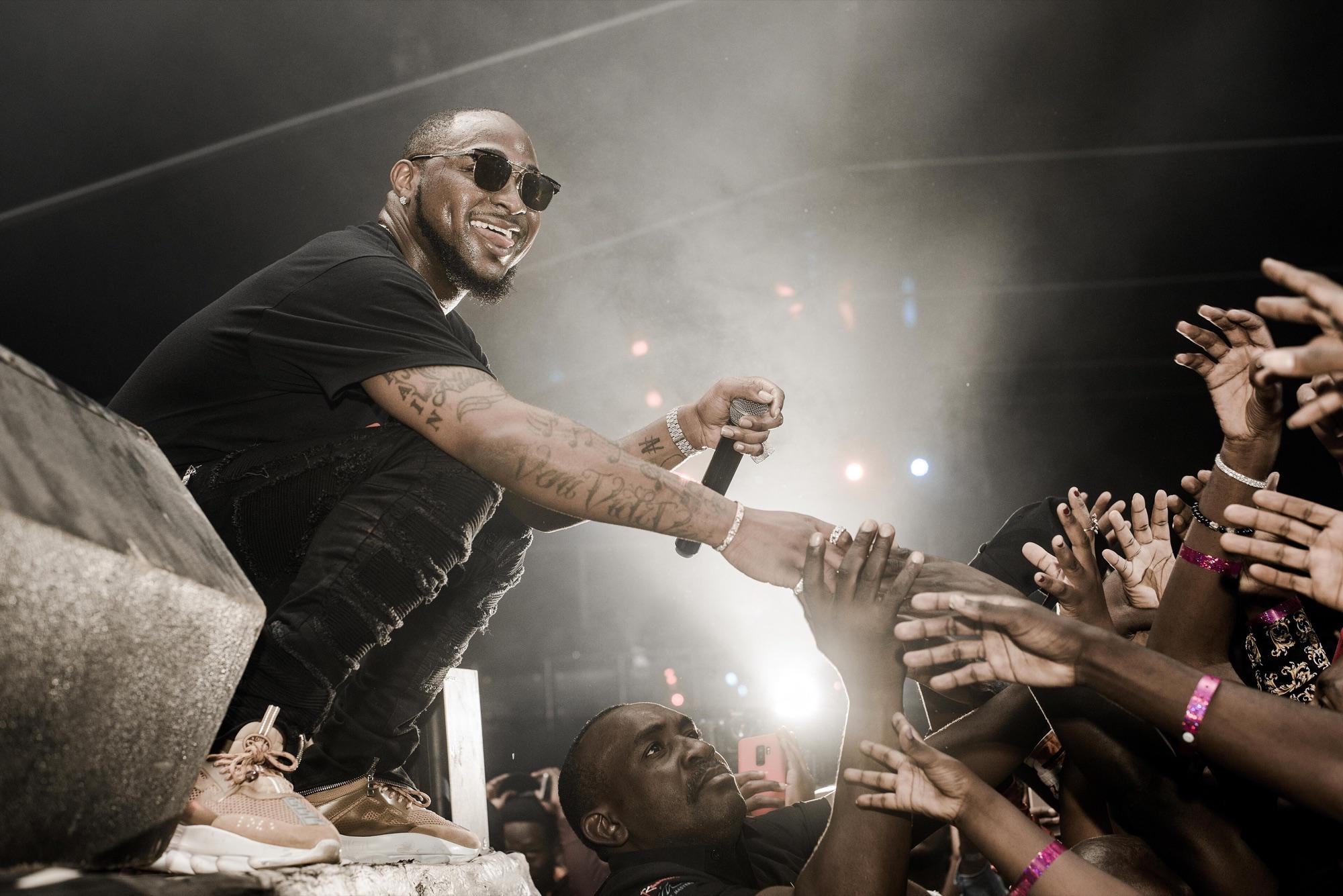
I sometimes wonder if we made the most of the Afrobeats movement.
If you think about it, between 2014 and 2020, Nigerian music was having a moment that we hadn’t quite experienced before. Wizkid, Davido, Burna Boy and others were taking Nigerian music to places we could only have imagined. Then came Rema, Asake, Ayra Starr, Fireboy and a new generation of artists who continued to push the sound beyond our borders.
It was exciting to watch. Suddenly, everybody wanted a piece of Afrobeats. International collaborations became more common, Nigerian artists were performing on some of the biggest stages in the world, and our music was becoming part of global pop culture.
But looking back, I wonder if we were too concerned with the commercial success of individual artists to think about what we were actually building.
Don’t get me wrong. There is absolutely nothing wrong with artists making money from their music, signing international deals or taking advantage of opportunities that come their way. They worked for it, and they deserve it. But I think we missed an opportunity to do something much bigger.
Afrobeats was never just about the music. It was the slang, the expressions, the fashion, the dances, the street culture and everything else that came with it. There was an entire culture that could have been developed into something commercially sustainable. We could have done much more with merchandise, music publishing, intellectual property, artist development and even the preservation of the history of the sound.
Instead, it feels like we concentrated so much on making individual artists global brands that we paid very little attention to building the industry around them.
And perhaps this explains some of my concerns about where we are today. The sound is evolving, as music naturally should, but I don’t think we can honestly say that the movement has the same cultural momentum it had between 2016 and 2020. Everyone seems to be experimenting with new sounds, and that’s not necessarily a bad thing. But I sometimes wonder whether we are building on what we already have or simply moving from one commercially attractive sound to another.
South Africa’s Amapiano is an interesting example. Regardless of how much Nigerian artists have contributed to its international popularity, the sound has a very strong cultural identity in South Africa. Its producers, DJs, dance culture and nightlife are deeply connected to where it originated. You can hear Amapiano and immediately associate it with South Africa.
I think we could have been more intentional about achieving something similar with Afrobeats.
Perhaps we were too interested in exporting the music and not interested enough in preserving everything that made it ours. Perhaps we celebrated the success of our artists without asking what that success meant for the wider industry.
I don’t think Afrobeats is dead, and I certainly don’t think Nigerian music has run out of creativity. But I do think we need to have an honest conversation about what we did with the opportunity we had.
Because taking a culture to the world is one thing. Building something that allows that culture to remain relevant, grow and outlive the people who made it popular is an entirely different thing.
And I’m not sure we paid enough attention to the latter.
This essay was first published on substack.com.
Read next, on related subjects
No. 004Art & Creativity
“Sometimes I Feel Like I Am Spinning Plates and the Plates Are About to Fall. But Somehow, They Don’t Fall.”
I started listening to Show Dem Camp in 2018, somewhere in the middle of university, when I needed music that felt like it was thinking. Most of what was on every playlist at the time was loud and fast. SDC was slow…
No. 020Economics & Politics
War Spoils or Debris?
There is something worth examining about the way we remember significant moments in our history. We celebrate independence, political movements, revolutions, military struggles and the individuals who stood at the…
No. 014Economics & Politics
Nigeria’s Trillion-Dollar Mirage
Nigeria wants to become a trillion-dollar economy by 2030. It is an ambitious target, and ambition itself is not the problem. The real question is whether we are building the conditions to get there, and whether ordinary…