No. 020Economics & Politics
War Spoils or Debris?
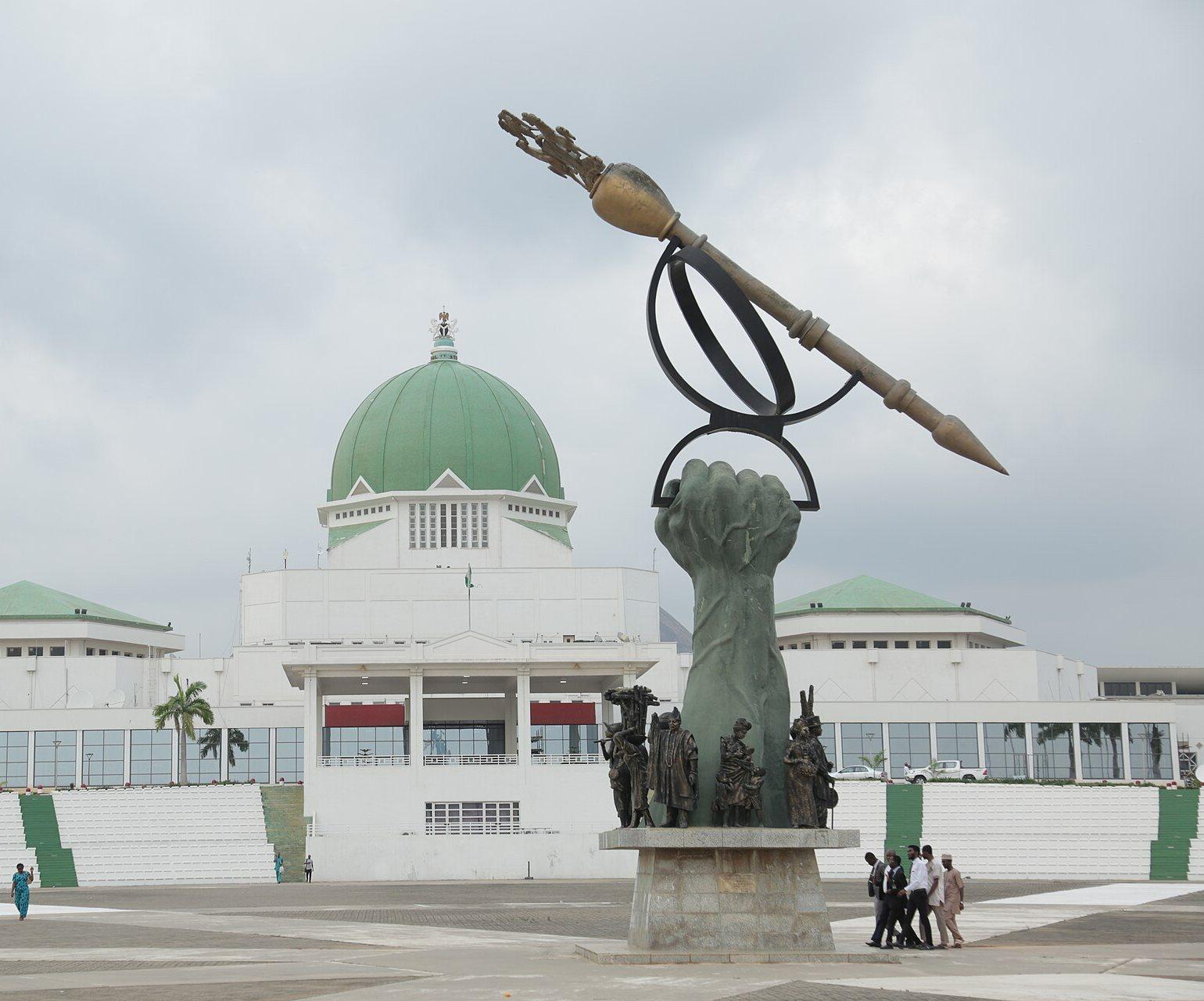
There is something worth examining about the way we remember significant moments in our history. We celebrate independence, political movements, revolutions, military struggles and the individuals who stood at the forefront of them. We speak of their courage, their sacrifices and the victories they secured. But I sometimes wonder whether the generations that came after them inherited the spoils of these struggles or merely the debris.
Take Nigeria, for instance. Independence was a defining moment, an extraordinary achievement in the history of a people seeking self-determination. Yet, more than six decades later, we are still grappling with the fundamental questions of nation-building. Our institutions remain fragile, opportunity is unevenly distributed, and the promise of independence often feels more like a historical reference than a lived reality.
Perhaps the uncomfortable truth is that the spoils of some of our most significant historical moments were never entirely collective. While the struggles were fought in the name of a people, the benefits that followed were often concentrated in the hands of a select few. Political access, economic privilege, influence and the machinery of power became inheritance for some, while the wider population inherited the responsibility of making a nation work.
And some of those beneficiaries have spent decades clinging to the spoils, reproducing the same arrangements that secured their positions in the first place.
This is not to diminish the sacrifices of those who came before us. Nor is it to suggest that every generation before ours failed. But historical significance should not become permanent immunity from scrutiny. Winning a struggle is one thing; building something that benefits the people in whose name it was fought is another.
Perhaps this explains some of the frustration of younger Nigerians. We are constantly reminded of what our predecessors achieved, but less frequently confronted with what remains undone. We are asked to appreciate the legacy while struggling to find our place within it.
At some point, we must ask whether we are beneficiaries of our history or simply custodians of its unfinished business.
Because a country's greatest historical moments should not only be remembered for what they took away from those who held power before them, but for what they made possible for everyone else.
Otherwise, we may have to confront an uncomfortable possibility: some generations got the spoils of history, while the rest of us are still living in its debris.
This essay was first published on substack.com.
Read next, on related subjects
No. 005Economics & Politics
Why Democracy Is Flawed
Everyone defends democracy the same way. “It’s the worst system except for all the others.” Churchill said it. Politicians quote it. Academics repeat it. But defending something by pointing at worse alternatives isn’t…
No. 014Economics & Politics
Nigeria’s Trillion-Dollar Mirage
Nigeria wants to become a trillion-dollar economy by 2030. It is an ambitious target, and ambition itself is not the problem. The real question is whether we are building the conditions to get there, and whether ordinary…