Africa Deserves a Seat. Africa Also Has to Stop Begging.
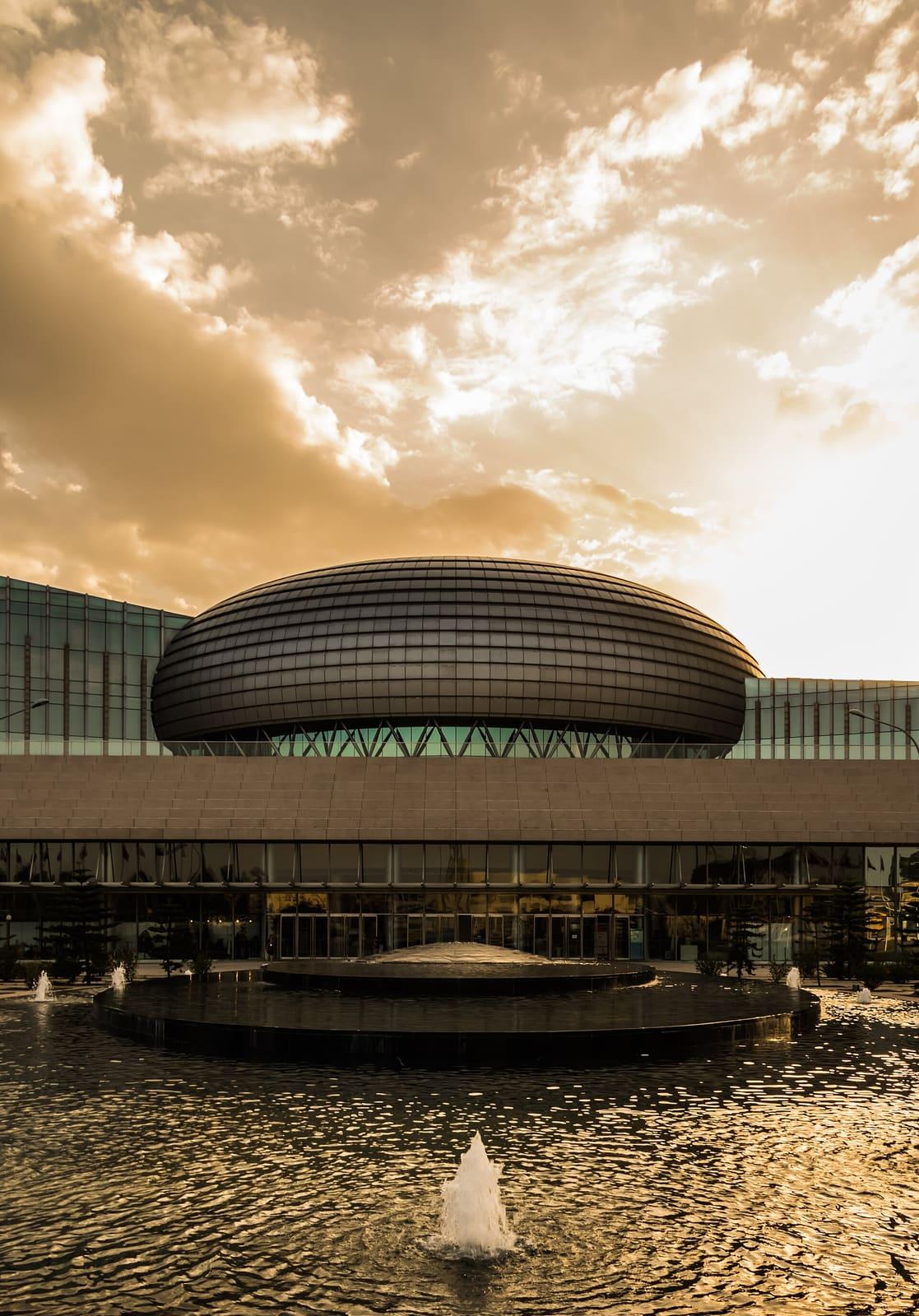
Let’s be honest: it is outrageous that Africa, 54 countries and more than 1.4 billion people, is still the only major region without a permanent seat on the UN Security Council. I’m not going to dress that up. It’s wrong.
But we’ve been saying that for decades. Every September, African leaders fly to New York, stand at that podium, and say it again. More representation. More fairness. A permanent African voice. And every year, the room nods, and not much changes.
At some point, we have to ask the question we keep avoiding: if the world woke up tomorrow and said, “Fine. Africa, take a permanent seat,” who would actually sit in it?
That’s where it gets uncomfortable.
North Africa would want to be represented. South Africa would say it has the standing. Nigeria has been pushing for a permanent African seat for years. Egypt has its own weight and its own ambitions. Algeria, Ethiopia, Kenya, others would make their own claims. The African Union says Africa should get two permanent seats. Fine. But which two? And chosen by whom? We have never really settled that.
We want the world to treat Africa as a bloc. But we often struggle to act like one.
That’s not because African countries are powerless. They’re not. South Africa took Israel to the International Court of Justice. Nigeria has been central to West African diplomacy and ECOWAS. Kenya led a security mission in Haiti. Ethiopia, Egypt, Algeria, these are not small players. They matter.
But look at the pattern. African countries can throw their weight around individually. What we rarely do is turn that weight into one sustained, unified position. When a real crisis hits, there’s often no obvious African state whose word can credibly carry the continent.
And that matters.
Permanent seats on the Security Council aren’t just gold stars handed out to regions because they have a lot of people or because leaving them out feels unfair. They’re tied to power. To diplomacy. To history. To what the existing order thinks it cannot afford to ignore.
Britain and France didn’t get their seats because someone decided Europe deserved two. They got them out of the balance of power after World War II. The US, Russia, and China didn’t rise because the world wanted a geographically balanced committee. Power came first. Fairness came later, if it came at all.
So if Africa wants a permanent seat, we can’t stop at “Africa deserves one.” We have to answer a harder question: What does Africa bring that the world cannot afford to ignore?
And that work starts at home.
We need stronger regional institutions. We need foreign policies that are actually coordinated. We need clearer agreement on what our strategic interests are, not just in a communiqué, but in practice. We need countries that can carry diplomatic weight beyond their own borders. We need an anchor state, or maybe a small group of them, strong enough to negotiate for a broader African position.
Nigeria has a real case to make. But it’s harder to ask the world to trust Nigeria with more responsibility for global peace and security when Nigerians are dealing with insecurity, unreliable electricity, economic instability, and weak institutions. That doesn’t mean Nigeria has to be perfect first. No great power is. It means credibility matters.
And let’s be clear: this is not about fixing Africa so the West will finally approve of us. That’s just begging in a nicer suit.
We should build stronger states because Africans deserve stronger states. We should build regional institutions that work because Africans deserve institutions that work. We should integrate our economies because African economies are stronger together.
If recognition follows, good. But recognition should be the result of power, not the goal of our development.
Africa doesn’t need permission to become a geopolitical force. It needs to build enough political, economic, and diplomatic weight that the rest of the world has to deal with it.
Africa deserves a seat. But the better question is whether we are building the kind of power that makes that seat impossible to ignore.
This essay was first published on substack.com.
Read next, on related subjects
War Spoils or Debris?
There is something worth examining about the way we remember significant moments in our history. We celebrate independence, political movements, revolutions, military struggles and the individuals who stood at the…
Nigeria’s Trillion-Dollar Mirage
Nigeria wants to become a trillion-dollar economy by 2030. It is an ambitious target, and ambition itself is not the problem. The real question is whether we are building the conditions to get there, and whether ordinary…
Billion-Dollar Companies, Ordinary Lives
Every time an African startup crosses the billion-dollar mark, we celebrate. And honestly, I understand why. I feel that pride too. There is something exciting about seeing an African company become valuable enough for…