No. 013Economics & Politics
Billion-Dollar Companies, Ordinary Lives
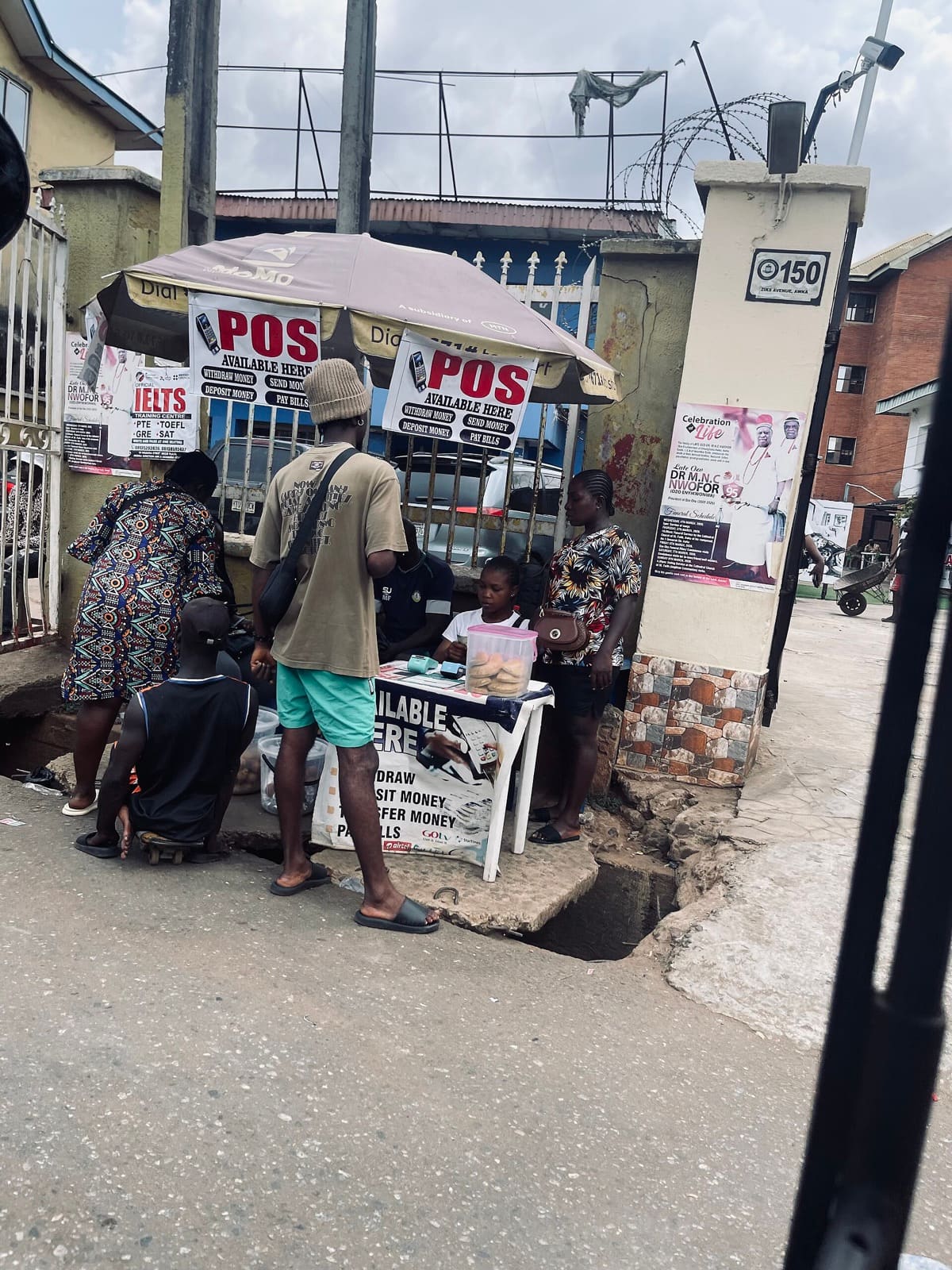
Every time an African startup crosses the billion-dollar mark, we celebrate. And honestly, I understand why. I feel that pride too. There is something exciting about seeing an African company become valuable enough for the rest of the world to take seriously. But somewhere along the way, I started asking myself a different question: what did that billion-dollar valuation actually change for ordinary people?
A valuation tells you what investors believe a company could be worth based on its future potential. That’s important, but it isn’t the same thing as measuring the value a company is creating today. It doesn’t tell you how many people gained access to something they didn’t have before, whether a small business owner is paying less in fees, or whether someone’s everyday life has genuinely become easier. A valuation is a bet on the future. It isn’t necessarily proof of impact in the present.
I’m not saying this about every African unicorn. Companies like Moniepoint, OPay, Paystack and Flutterwave have created value that is relatively easy to see. Before digital payments became as accessible as they are today, many small and informal businesses had limited ways to accept payments reliably. Today, a business owner can receive money from a customer almost instantly without relying entirely on cash. That’s real value. The valuation followed the value that was already being created.
The problem is that not every unicorn tells that same story. Some benefit from being in the right market at the right time. Some grow because investors are excited about a particular category. Others build network effects that concentrate value while the businesses using their platforms continue to carry increasing costs. A company can be worth a billion dollars and still have a complicated, or even extractive, relationship with the people it claims to serve.
This matters because the things we celebrate eventually become the things people optimise for. When becoming a unicorn becomes the ultimate measure of success, founders can start thinking more about what will help them raise the next round than what will help them solve the next real problem. The question quietly changes from “What problem is worth solving?” to “What story is worth funding?” Those questions sound similar, but they can produce very different companies.
So maybe we need another question alongside valuation: who would actually be worse off if this company disappeared tomorrow? If the honest answer is that mostly the investors would lose money, that tells you something. But if thousands or millions of people would genuinely struggle because they lost a service they depend on, that’s a very different kind of company.
I don’t think Africa needs fewer billion-dollar companies. We need more companies whose valuations are connected to something ordinary people can actually see and feel. A billion-dollar valuation is a great headline, but the real achievement is being able to point to someone whose business became easier, whose access improved, or whose life became a little better because you built something that mattered.
This essay was first published on substack.com.
Read next, on related subjects
No. 014Economics & Politics
Nigeria’s Trillion-Dollar Mirage
Nigeria wants to become a trillion-dollar economy by 2030. It is an ambitious target, and ambition itself is not the problem. The real question is whether we are building the conditions to get there, and whether ordinary…
No. 005Economics & Politics
Why Democracy Is Flawed
Everyone defends democracy the same way. “It’s the worst system except for all the others.” Churchill said it. Politicians quote it. Academics repeat it. But defending something by pointing at worse alternatives isn’t…