No. 005Economics & Politics
Why Democracy Is Flawed
Everyone defends democracy the same way. “It’s the worst system except for all the others.” Churchill said it. Politicians quote it. Academics repeat it. But defending something by pointing at worse alternatives isn’t the same as saying it works.
Democracy is flawed. Deeply. And we’ve become too emotionally attached to the idea of it to say that plainly.
The Government of the Godfathers
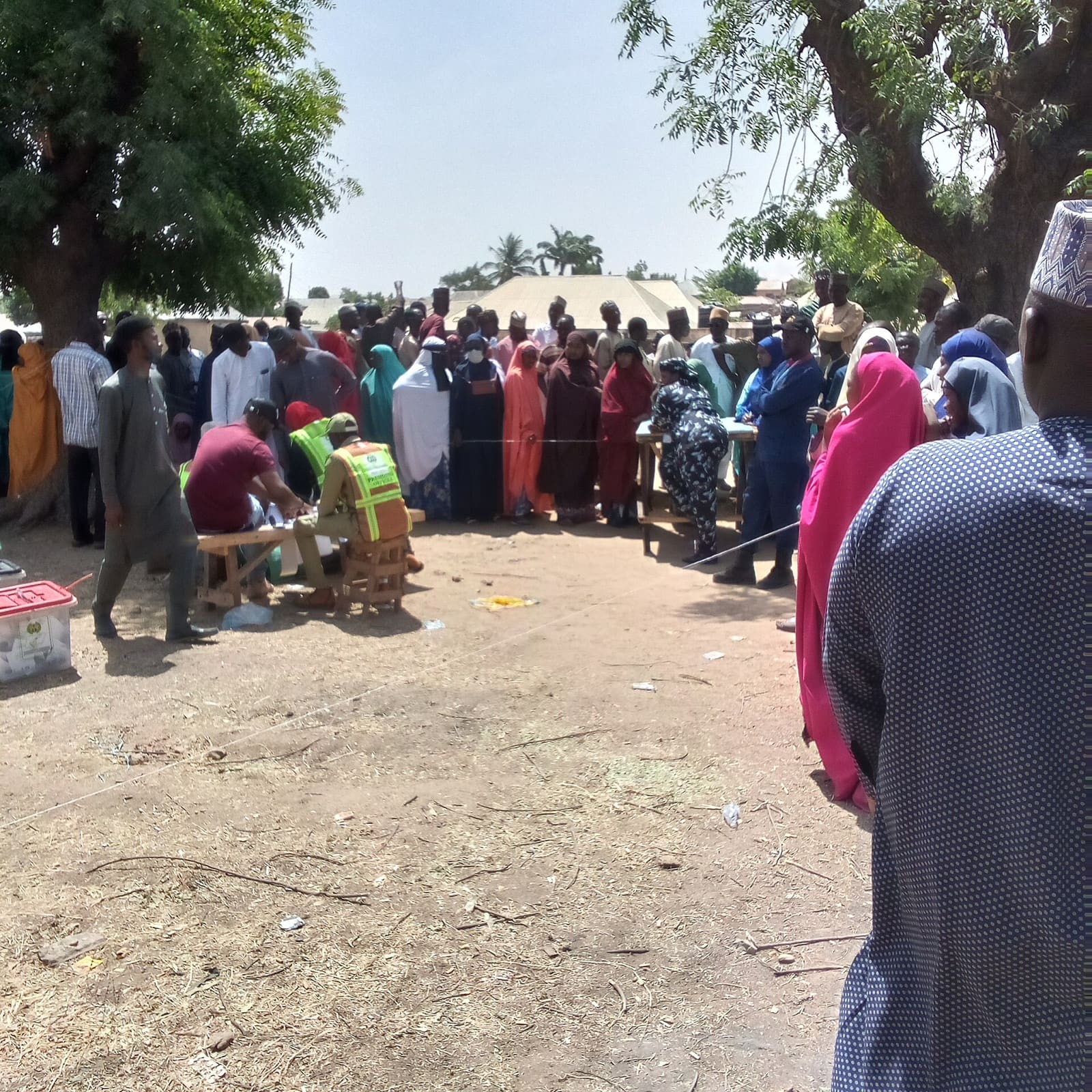
In Nigeria, democracy isn’t the government of the people. It is the government of the godfathers. The man who controls the votes, funds the campaigns, and calls in favors after inauguration. The ballot is a ritual. The real election happens in back rooms, at private dinners, over phone calls most citizens will never hear about.
The people vote. But the godfathers decide.
This isn’t accidental. It’s the system working exactly as those at the top designed it to. Democracy here was built to rotate power among the few while giving the rest a sense of participation.
A Nation Too Diverse for One Majority
Nigeria has over 250 ethnic groups, more than 500 languages, a predominantly Muslim north, a predominantly Christian south, and regional economies with almost nothing in common with each other.
Democracy assumes that a majority can legitimately represent the whole. But in a country this layered, the majority is rarely a true majority. It is usually just whichever ethnic or regional bloc assembled the largest coalition. So when a candidate wins, the people celebrating aren’t the people. They are a tribe. And the people mourning aren’t the opposition. They are other tribes.
Elections here don’t split along ideology. They split along identity. People don’t vote for what a party believes. They vote for where a candidate is from, what religion they practice, which language they speak at home. Ethnicity overrides everything.
This breaks the foundational promise of democracy entirely. You cannot have a government of the people when the people have never agreed on what “the people” even means.
Even in Stable Democracies, the Structure Is Broken
This isn’t a uniquely Nigerian problem. Even in the world’s most stable democracies, the system carries a flaw that rarely gets named directly.
Democracy is built on ideological competition. Parties don’t just offer different policies. They offer different worldviews. And when power transfers from one worldview to the next, the incentive isn’t to continue building. The incentive is to dismantle and restart.
A nation is not a four-year project. Infrastructure, education, economic transformation: these compound over decades. They require consistency. But every election is a potential full reset. The incoming party has no loyalty to its predecessor’s work. Often it has a political incentive to undo that work, because making the last administration look like a failure is how you justify your own existence.
Nations end up running in place. Lots of motion. Very little forward movement.
And the “Fix” Reveals a Deeper Flaw
Some point to coalition governments as the answer. Systems where no single party wins outright, so parties must collaborate to govern. Those systems do tend to produce more continuity.
But look at what that actually requires.
It requires parties to negotiate away the ideological positions they campaigned on. The worldview voters chose them for gets diluted the moment governing becomes the priority. Coalition politics doesn’t fix the flaw in democracy. It exposes a second one sitting underneath the first.
Either you stand by your ideology and create instability every election cycle. Or you abandon it to govern and betray the people who voted for what you claimed to believe in.
Democracy is internally contradictory at its core. The system depends on ideological parties to function, and then punishes ideological purity to survive.
Democracy was not designed to be efficient. We are only now beginning to feel the full cost of that.
This essay was first published on substack.com.
Read next, on related subjects
No. 020Economics & Politics
War Spoils or Debris?
There is something worth examining about the way we remember significant moments in our history. We celebrate independence, political movements, revolutions, military struggles and the individuals who stood at the…
No. 013Economics & Politics
Billion-Dollar Companies, Ordinary Lives
Every time an African startup crosses the billion-dollar mark, we celebrate. And honestly, I understand why. I feel that pride too. There is something exciting about seeing an African company become valuable enough for…