The Burden of Being Interesting

I’ve been thinking about the idea of separating the art from the artist.
I think there’s something rather skewed about the expectations we place on people who are able to make meaningful contributions to conversations about the world. Somehow, we expect that because someone can articulate an interesting thought, produce great art or offer a different perspective on something, they should also be equally impressive in how they live their lives.
Almost as though the person should be as smooth as the art.
And I think that’s a lot to ask of anyone.
The expectation that someone who has demonstrated a certain level of intellectual ability should always have something interesting to say, should be consistent in their opinions and should generally conduct themselves in a way that reflects the things they have said or created.
It leaves very little room for being human. For making mistakes, learning things the hard way, changing your mind or simply not knowing what you’re talking about sometimes.
I’ve often found myself falling into this trap. Based on some of the things I’ve said or opinions I’ve expressed, I’ve caught myself thinking about how I appear to people. Almost as though I have to be careful not to do or say something that contradicts the impression they’ve formed of me.
One of my earliest memories of this was in secondary school.
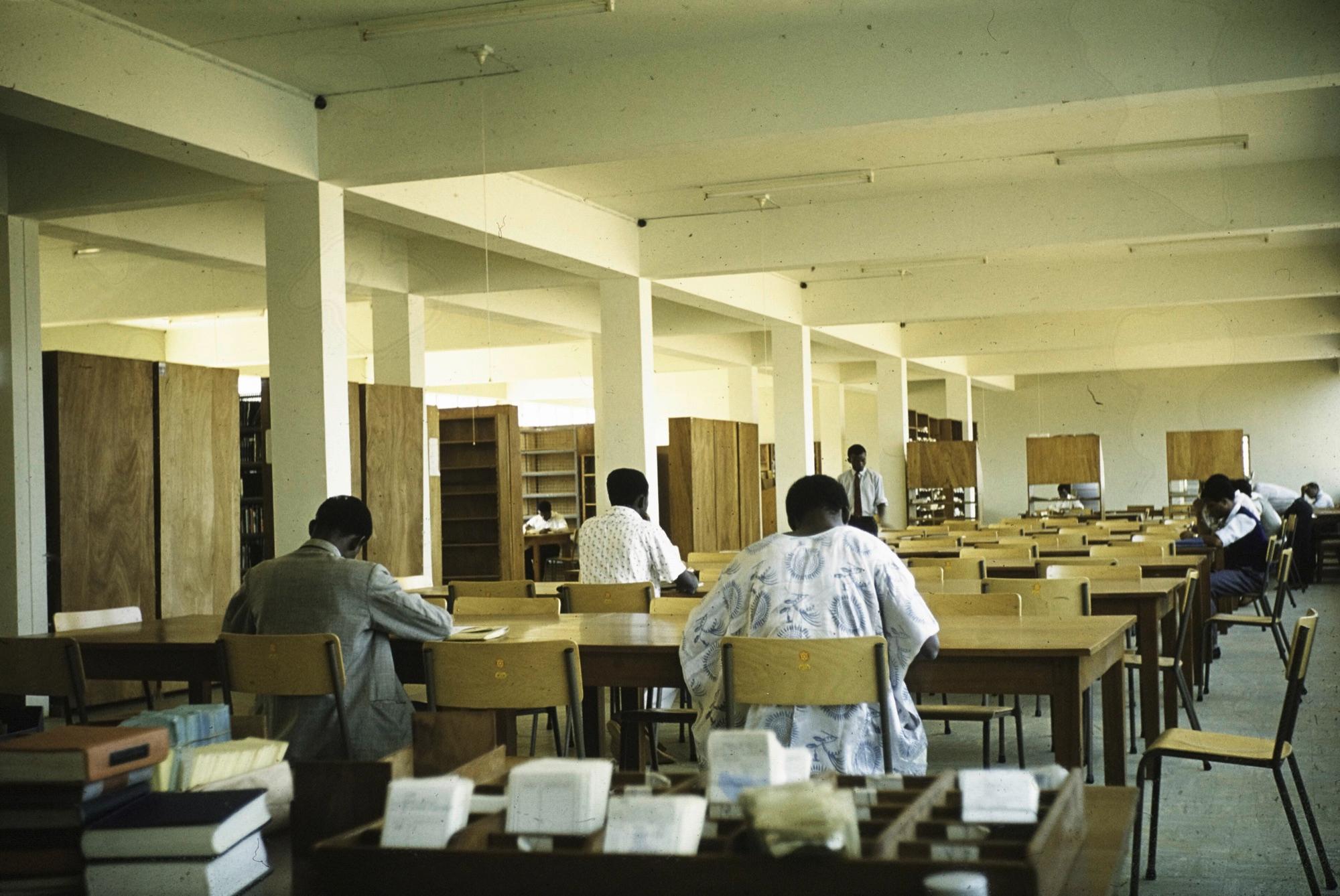
I loved Literature. I remember my first Literature teacher having to take a second look at my examination score. I think I got about 34 out of 70, or something around that. What I remember more clearly was his surprise. He couldn’t quite believe that the same person who could sit in class and spar with him over literary contexts and interpretations couldn’t even score half the total mark.
And it wasn’t just Literature. I was probably an interesting student, but academically, I was just a little above average.
Thinking about it now, I can probably trace some of that curiosity to when I was much younger. I was about six or seven and always had something to read. Books, magazines, newspapers. I remember picking up Animal Farm from my dad’s bookshelf at about seven. I didn’t understand everything, but I found it interesting that there were books beyond what I was probably expected to read at that age.
I think I was more interested in learning for the sake of knowing than learning for the sake of passing examinations.
The Nigerian school system, at least the one I experienced, placed a lot of emphasis on memorisation. You could understand a subject to a reasonable extent and still not necessarily do very well in an examination because there was a particular way of preparing for and answering questions. I would rather have an idea of what a subject was about, understand some of its context and be able to talk about it than memorise everything just to reproduce it in an examination.
Perhaps that explains why I never quite performed as well academically as some people might have expected.
Was it worth it?
I don’t particularly regret it. I think that curiosity has stayed with me, and it has shaped how I engage with things. But I sometimes wonder if being perceived as someone who knows things has also made me a little too conscious of how I present myself.
And maybe that’s what I’m getting at with this whole idea of separating the art from the artist.
We sometimes forget that the person behind something interesting is still figuring things out. Being able to write about something doesn’t mean you’ve mastered it. Having a good understanding of human behaviour doesn’t mean you always understand your own. And being able to offer a rather profound perspective on life doesn’t mean you have a particularly profound life yourself.
I don’t think we should excuse people from accountability, and I don’t think someone’s personal conduct should always be separated from the things they create. There are situations where the two are difficult to separate.
But I do think we sometimes place expectations on people that leave very little room for them to simply live.
Perhaps we should allow people to be a little less impressive outside the things that make them interesting to us.
After all, they’re human beings.
This essay was first published on substack.com.
Read next, on related subjects
Survival Isn’t for the Strongest.
I watched Thrash on Netflix last night and one thing stuck with me long after the credits.
Reading Doesn’t Think For You. You Still Have To.
I used to think reading was dangerously close to indoctrination. You open a book, and someone else’s conclusions walk straight into your head. No resistance, no interrogation, just absorption. And if most of what we know…
Thinking About Thinking
I have been turning something over lately. Metacognition, the strange habit of watching yourself think while you are thinking. Noticing a thought as it arrives, questioning it, asking where it came from and whether you…