No. 006Philosophy & Ideas
The People Who Learned the Floor Can Disappear
There is a kind of intelligence you cannot study for. It comes from something harder and less optional: from living through the collapse of what you thought was solid ground, and choosing to understand it rather than just survive it.
Malcolm X had it. So did Dostoevsky. James Baldwin had it. Viktor Frankl had it. The thread running through all of them is not genius in the classical sense. It is the specific sharpness that comes from having been forged.
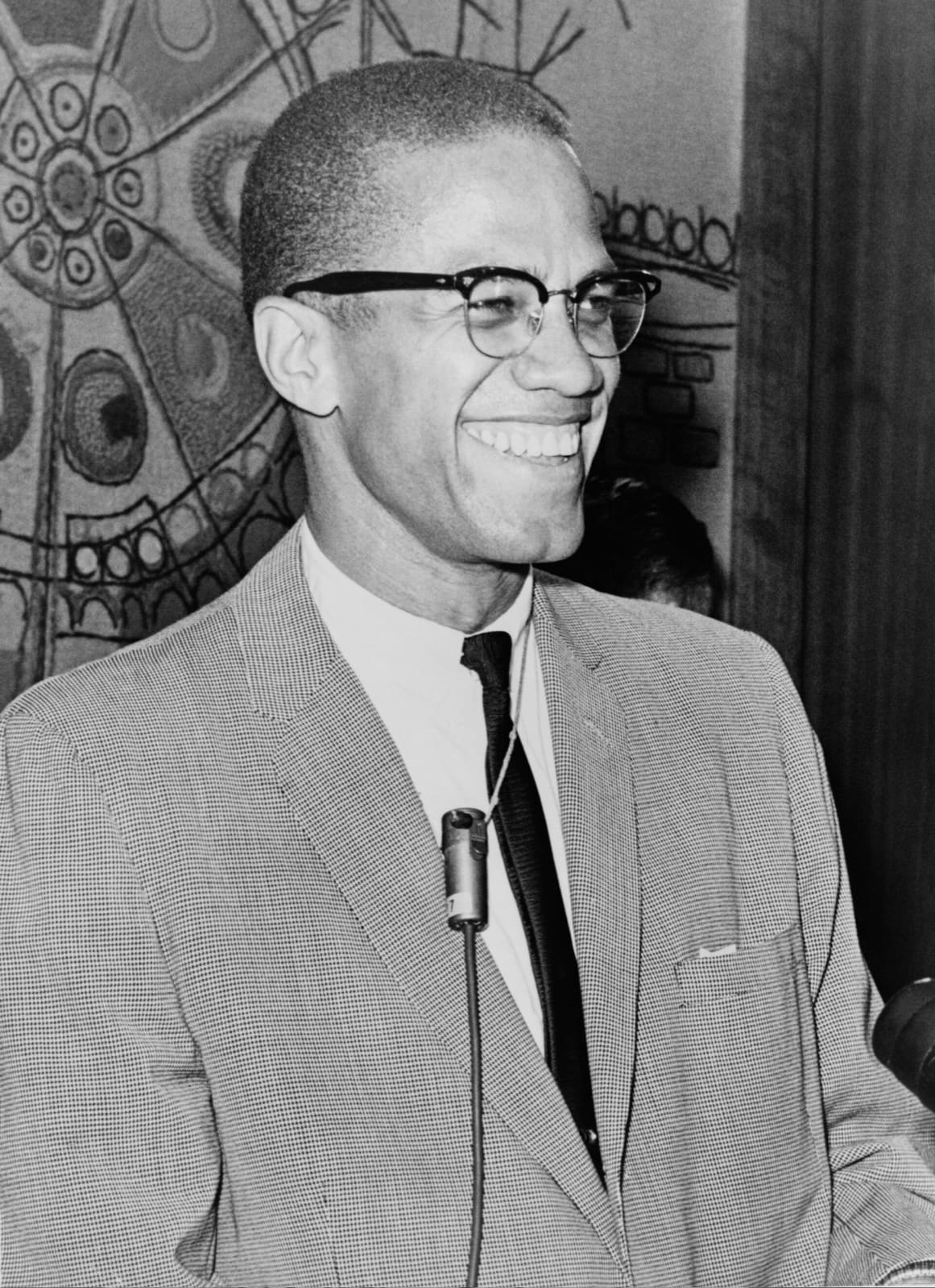
Malcolm Little grew up watching the state dismantle his family. By the time he became Detroit Red, he had already learned what most people never do: that the structures others trust completely were built without him in mind. Then came prison, then the Nation of Islam, the break with Elijah Muhammad, the Hajj, and four complete reinventions before he was killed at 39. Each one was not cosmetic. He was shedding a self that had stopped being adequate. Dostoevsky stood before a firing squad and was pardoned at the last moment, served years in a Siberian labor camp, and came out able to write human contradiction more honestly than anyone before or since. Baldwin named America’s wound so precisely it still stings. Frankl survived Auschwitz and built a framework for meaning that outlasted most academic psychology of his era.
The pattern is not coincidence.
But here is where the idea needs to be handled carefully. Suffering alone does not sharpen anyone. Plenty of people go through enormous hardship and emerge more closed, more defended, more convinced that survival is the only available ambition. What distinguishes these people is that they metabolized the experience. They turned it into a question rather than just a wound. That is a choice, and a difficult one to make from inside the fire.
This is also why the most interesting entrepreneurs are rarely the ones chasing the exit. The ones worth paying attention to are usually the ones who will tell you, with complete honesty, that the chaos of building, the uncertainty, the not-knowing, the daily improvisation inside conditions that could collapse tomorrow, was always more alive than whatever success eventually looked like. They are not performing humility. They are describing an addiction to the process of becoming, which is really the same muscle these figures were exercising. Uncertainty, when you stop running from it, becomes the only environment where genuine transformation is possible. Comfort is just the absence of that pressure.
This is also why people born into certainty, however sharp they may be in other ways, tend to carry a particular blind spot. They do not know in their body that the floor can disappear. That gap shows up in their thinking, their intuitions, and most revealingly, in their reactions when someone names the thing they have never had to name. The comfortable can be sharp. They are rarely, in the deepest sense, undeceived.
If you have been through something, and you have done the work of examining it rather than just carrying it, you possess something that cannot be replicated in a seminar. A radar for what is real. A tolerance for contradiction. A relationship with change that most people find destabilizing.
The question was never whether the fire happened. The question is what you decided to do with the light.
This essay was first published on substack.com.
Read next, on related subjects
No. 003Philosophy & Ideas
Love Is the Original Act of Imagination
Love does something to the mind that very little else can. It expands it.
No. 008Philosophy & Ideas
Mo Iwọn Ara Rẹ
“Know thyself” has been a philosophical cornerstone for centuries. Socrates said it. Every self-help book echoes it. It sounds profound enough that most people never question whether it goes far enough.
No. 001Philosophy & Ideas
From Baby to Father in the Faith
On growth, stages, and the plan God has always had for you.