No. 007Society & Culture
Bread and Circuses: Nigeria's Convenient Amnesia
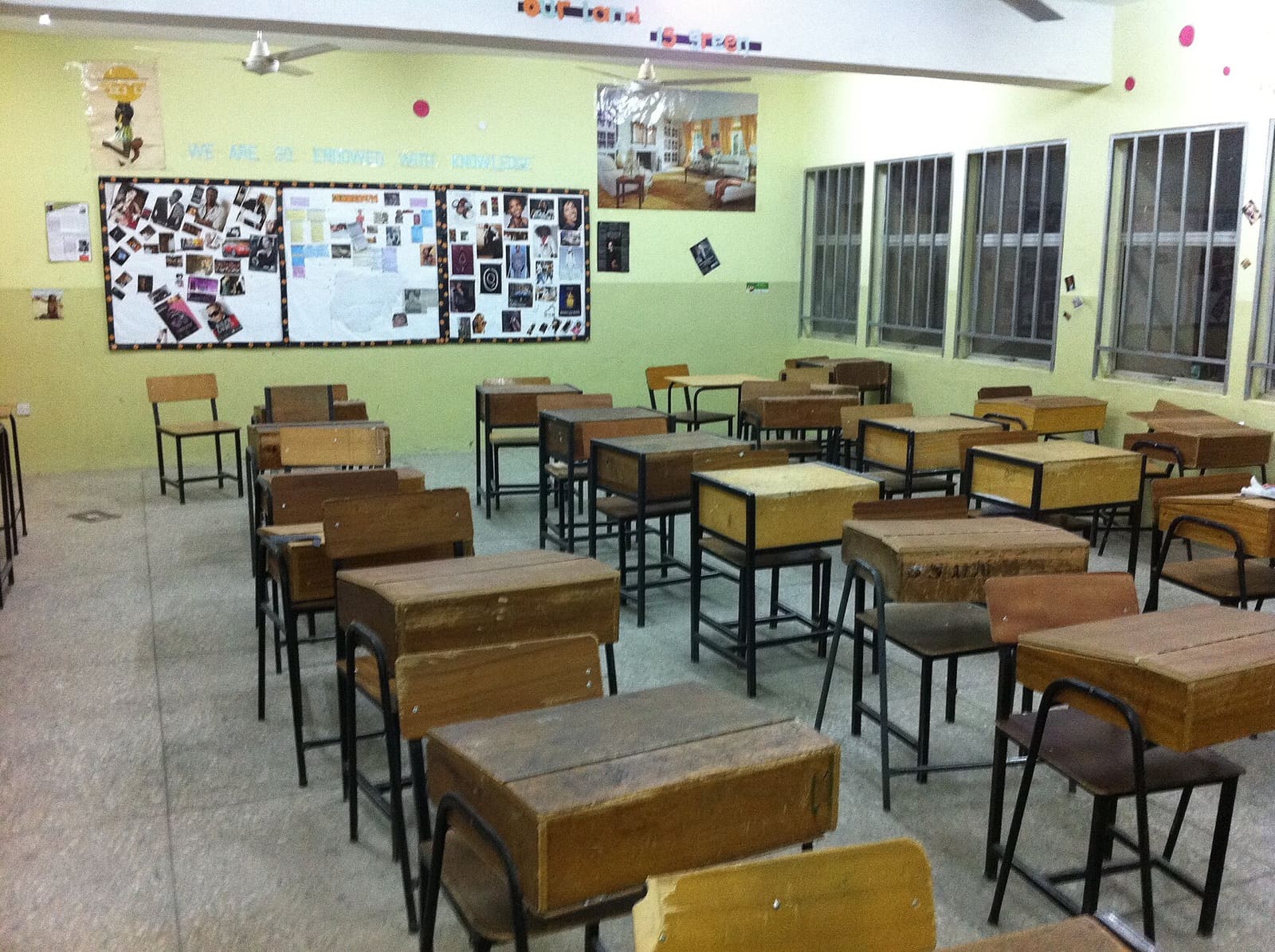
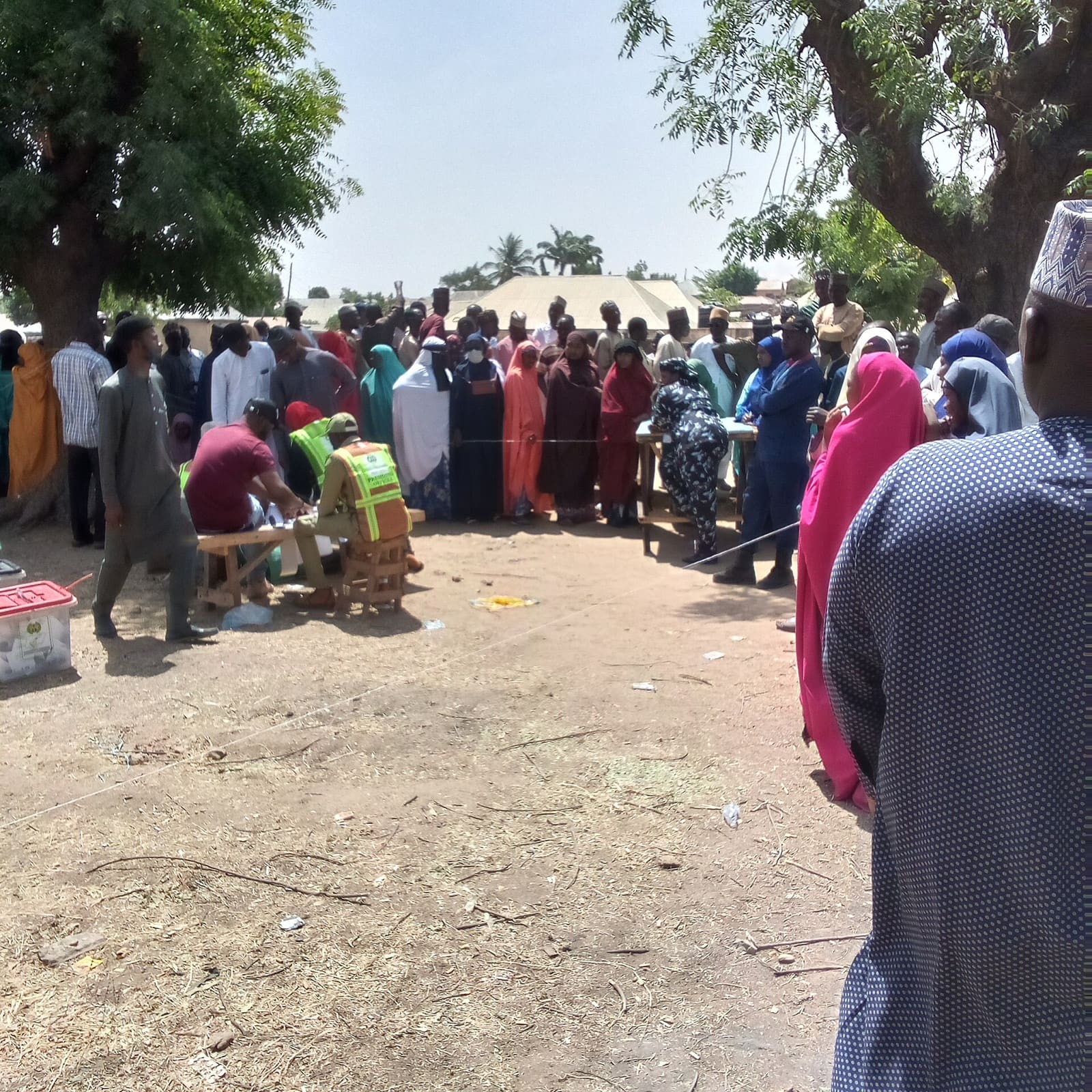
In broad daylight on May 15, 2026, armed bandits walked into three schools in Oriire Local Government Area, Oyo State, and took 46 people. Seven teachers. Dozens of students. Children as young as two years old. Days later, a video circulated showing one of those teachers, a mathematics instructor named Michael Oyedokun, being beheaded by his captors. His family begged people to stop sharing the footage. The governor confirmed the killing. And then the internet moved on.
Because Arsenal had won the Premier League. Because the Champions League final was on. Because Big Brother Naija Season 11 auditions had just been announced, with physical screenings in Lagos, Abuja, and Enugu. Biggie was calling.
Around 100 AD, the Roman poet Juvenal watched his empire hand out free grain and free entertainment and noticed something: a population that is fed and distracted is a population that does not ask difficult questions. He called it bread and circuses. What made it so effective was not that it was forced on people. It worked because the games were genuinely exciting, the crowd genuinely happy. You do not need to silence grief. You only need to give people something louder to feel.
Nigeria's version requires no conspiracy. Nobody at MultiChoice planned the BBNaija announcement for the same week a teacher was beheaded in Oyo. Nobody needed to. The machinery of distraction does not require intent. It only requires momentum, and a political class that has learned that public outrage expires in about 72 hours.
The difference between Rome and Lagos is this: Rome's emperors paid for the circuses. In Nigeria, the state pays for nothing. MultiChoice runs the show. The Premier League runs the show. The public funds its own sedation, and the people in power simply enjoy the quiet that follows.
Nigerian children have been taken from their schools since 2014. Over 1,700 students seized across more than a dozen major abductions. The numbers have become routine. The pattern has become familiar. And when grief becomes familiar, entertainment becomes a mercy. But mercy is not justice.
Michael Oyedokun taught mathematics in broad daylight on a Friday. His name will not trend as long as any football result. His family's grief will not move any algorithm. And the people in power know this, because they are watching the same screens the rest of us are.
The question Juvenal would ask is simple: does our love of the game outlast our love for the children still missing? Has our outrage got an expiry date the political class has already memorized?
If we are honest, the answer is uncomfortable. But discomfort is the beginning of something. Forgetting is the end of everything.
The children taken from Ogbomoso are still missing. All of them. The auditions go on. The games continue. The question is whether anything else will.
This essay was first published on substack.com.
Read next, on related subjects
No. 011Society & Culture
The Richest Man Alive Is Not a Finish Line
There is a specific quiet that shows up in me whenever a headline announces someone has become the richest man alive. Not admiration. Closer to a flinch, the feeling of being handed a scoreboard I never agreed to play…
No. 005Economics & Politics
Why Democracy Is Flawed
Everyone defends democracy the same way. “It’s the worst system except for all the others.” Churchill said it. Politicians quote it. Academics repeat it. But defending something by pointing at worse alternatives isn’t…